
Europe's Petrochemical Industry Faces Historic Capacity Reduction

Europe's petrochemical industry is facing major restructuring driven by high energy costs, weak demand, and global competition. The trend is accelerating plant closures, reducing production capacity, and reshaping regional trade flows.

Europe's Petrochemical Industry Faces Historic Capacity Reduction

Europe's petrochemical industry is undergoing one of its most significant transformations in decades. Faced with rising energy costs, weak industrial demand, global oversupply, and increasing competition from lower-cost regions, producers across Europe are reducing capacity and restructuring operations. Major companies including ExxonMobil, TotalEnergies, Dow, and SABIC have announced plant closures, asset reviews, or production cutbacks as they seek to improve competitiveness in a challenging market environment.

The trend extends beyond individual facilities. Industry data shows that millions of tonnes of chemical and petrochemical capacity have been shut down, placed under review, or scheduled for closure since 2022. As a result, Europe is becoming increasingly dependent on imported petrochemical products, while producers in the Middle East, North America, and Asia continue to expand their global influence.
A Wave of Petrochemical Plant Closures Across Europe

A Wave of Petrochemical Plant Closures Across Europe

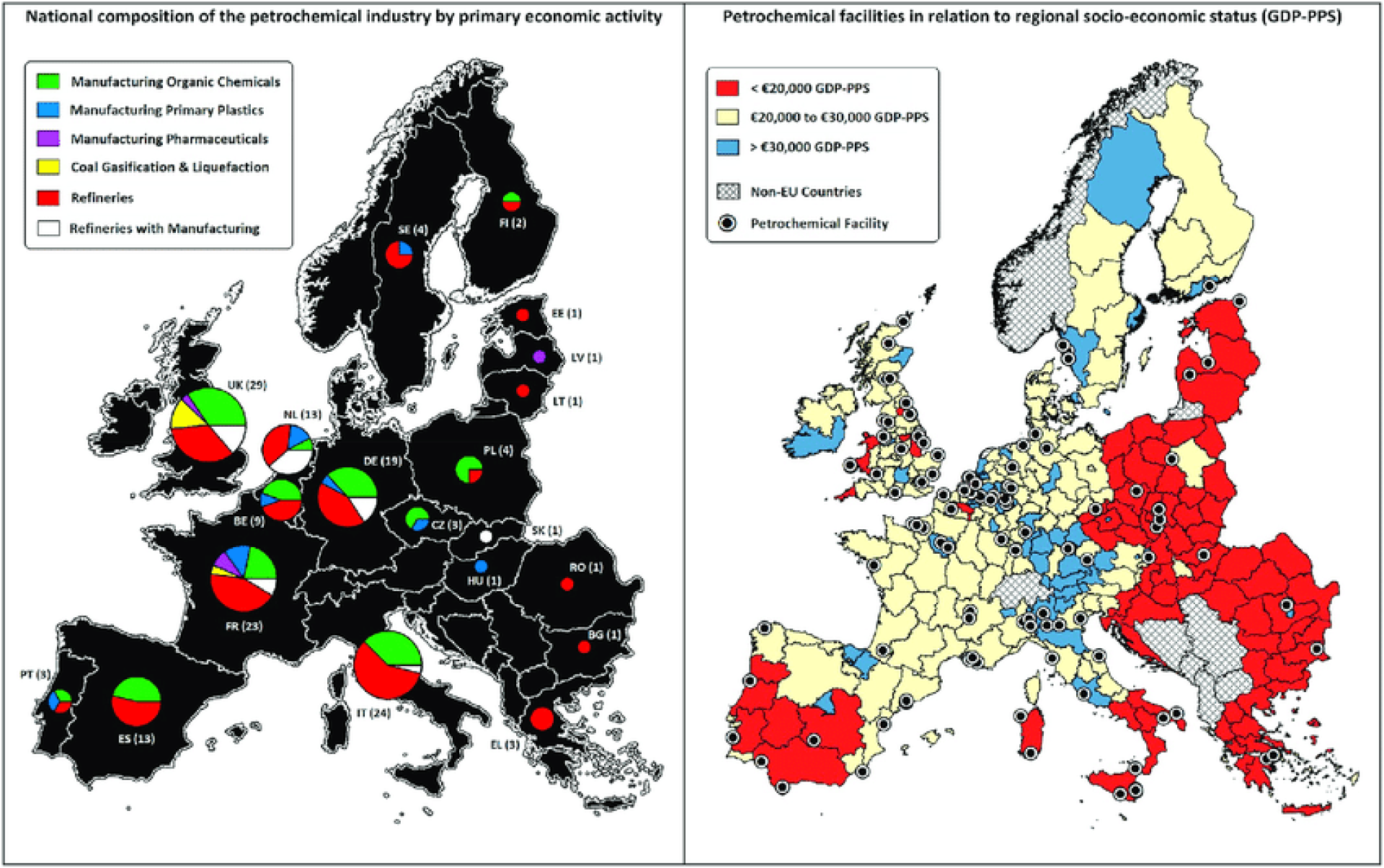
The scale of Europe's petrochemical restructuring has become increasingly apparent over the past several years. According to industry reports, approximately 37 million tonnes of chemical production capacity have been announced for closure across Europe since 2022, with petrochemicals representing the largest affected segment.

Several high-profile facilities have already been impacted. ExxonMobil announced the closure of its Fife ethylene plant in Scotland, while TotalEnergies revealed plans to shut one of its steam crackers in Antwerp. Other major producers, including Dow and SABIC, have also implemented restructuring measures aimed at reducing costs and improving profitability.

Many of the affected assets are steam crackers, which serve as the foundation of petrochemical production by converting feedstocks into essential building blocks such as ethylene and propylene. As these facilities close, the effects extend throughout the value chain, influencing the production of plastics, packaging materials, industrial chemicals, and numerous everyday products.

Why European Petrochemical Producers Are Struggling

Why European Petrochemical Producers Are Struggling

Several factors are driving the current wave of restructuring across Europe's petrochemical sector. One of the most significant challenges is energy cost competitiveness. Compared with producers in the Middle East and North America, many European facilities face substantially higher operating expenses, making it more difficult to compete in global markets.

At the same time, demand from key industries such as construction, automotive manufacturing, and consumer goods has remained weaker than expected. This has reduced consumption of many petrochemical products, placing additional pressure on margins. The rapid expansion of production capacity in China has further intensified competition, contributing to global oversupply in several major product categories. Together, these factors have created an environment where many older or less efficient European assets are struggling to remain economically viable.

Shifting Trade Flows Create New Market Dynamics

As domestic production capacity declines, Europe is becoming increasingly reliant on imported petrochemical products and feedstocks. This shift is gradually reshaping global trade flows and creating new opportunities for suppliers outside the region.

Producers in the Middle East continue to benefit from competitive feedstock costs and strategic access to international markets, while North American manufacturers maintain advantages through abundant natural gas resources and large-scale production infrastructure. Meanwhile, expanding Asian capacity is increasing the availability of petrochemical products in global markets.

For buyers and traders, these developments highlight the growing importance of supply-chain flexibility, diversified sourcing strategies, and strong logistics capabilities. Access to reliable international suppliers is becoming a key factor in maintaining supply security and managing procurement risks.

Industry Outlook

The challenges facing Europe's petrochemical industry are unlikely to disappear in the near term. While market conditions may improve as supply and demand gradually rebalance, many analysts expect further restructuring across the region over the coming years. Producers are increasingly focusing on operational efficiency, portfolio optimization, and investments in higher-value products to remain competitive.

At the same time, global petrochemical production continues to shift toward regions with lower costs, greater feedstock availability, and stronger long-term growth prospects. As this transition continues, international trade is expected to play an increasingly important role in connecting producers and consumers across global markets.

For industry participants, the current restructuring represents more than a temporary market cycle. It reflects a broader transformation of the global petrochemical landscape, with lasting implications for production, trade, and investment decisions.