From Regional Conflict to Global Supply Chain Shock
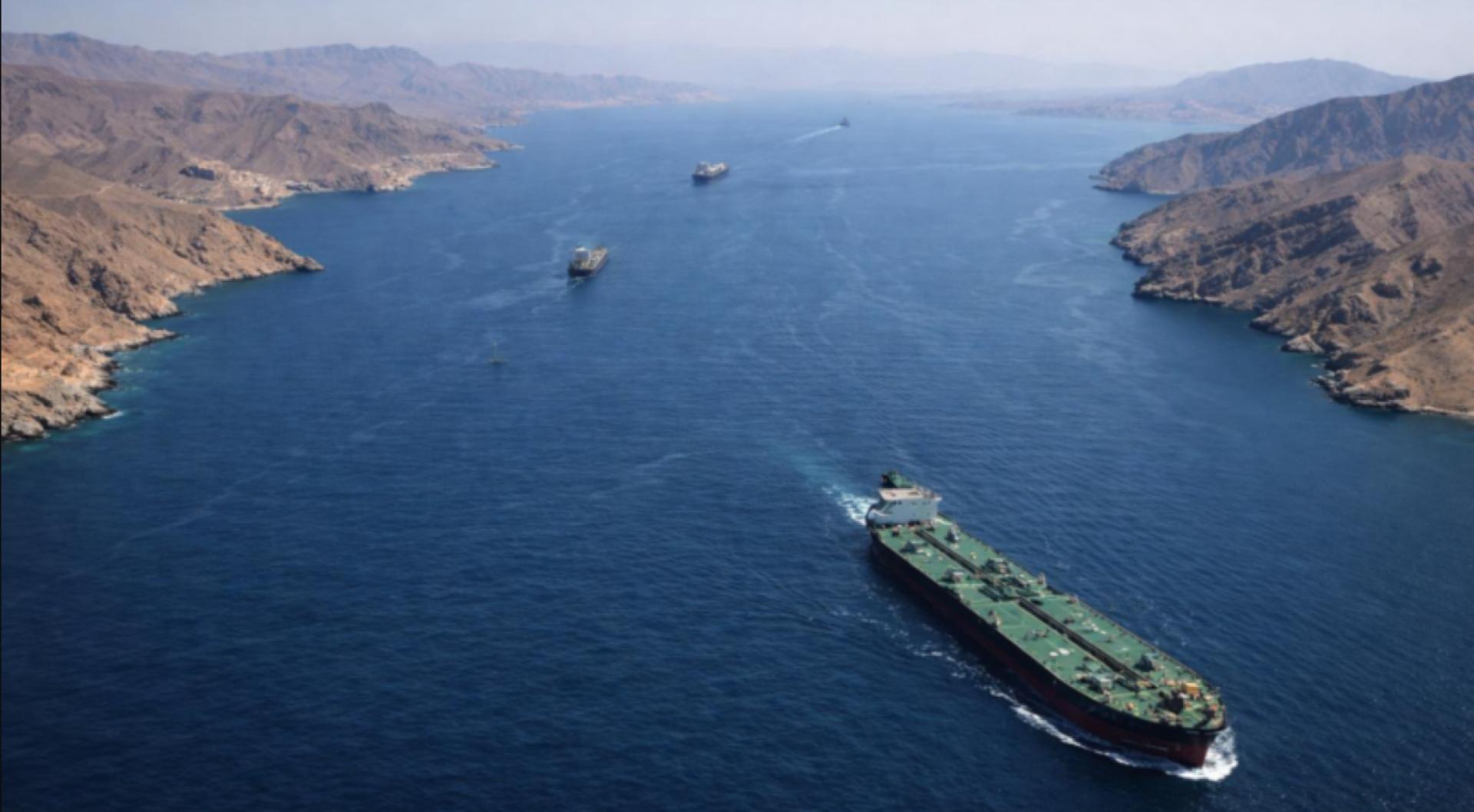
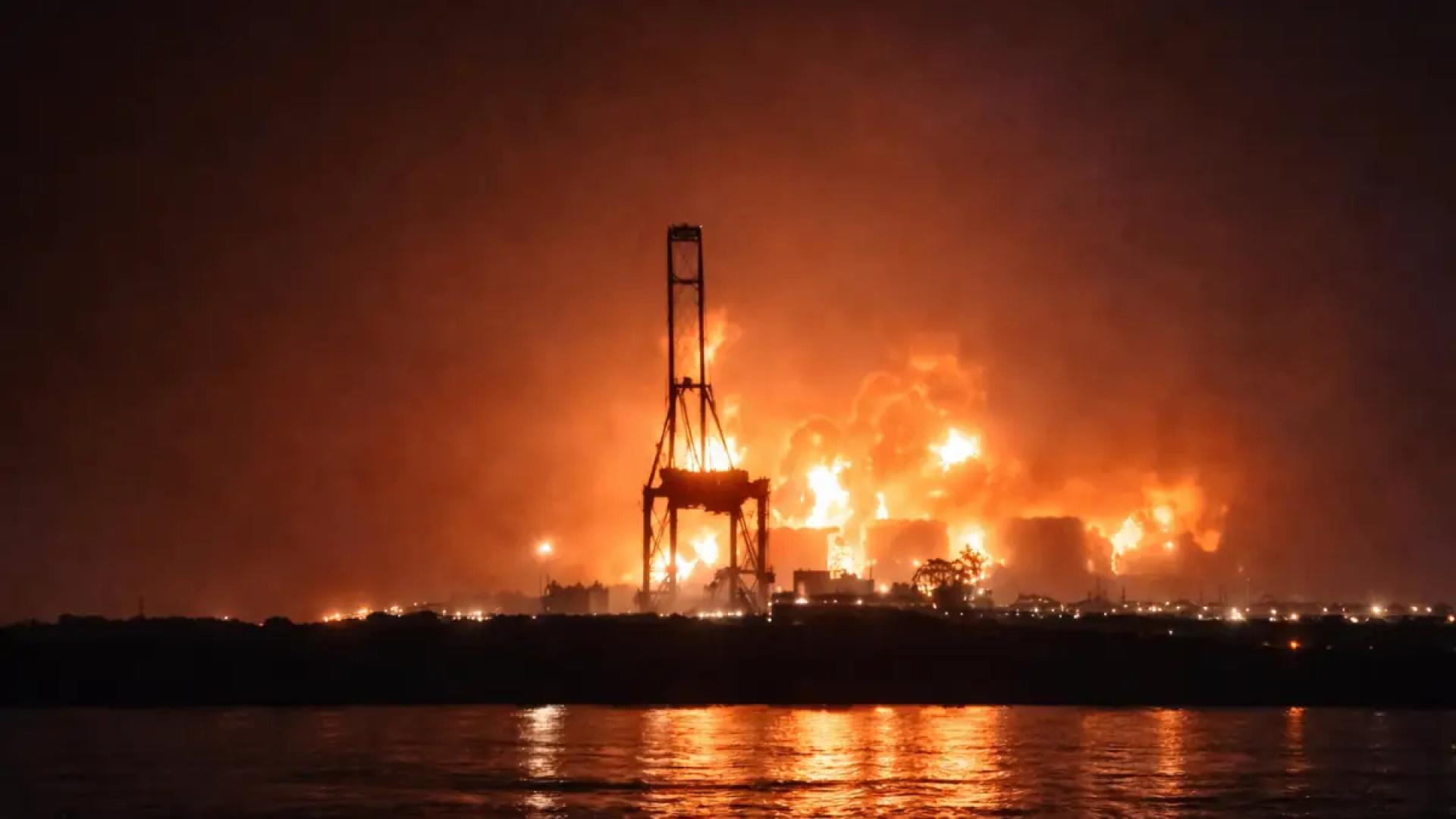
The Iran War rapidly evolved from a regional security crisis into a major disruption for global energy and petrochemical markets. After the escalation of military operations in February 2026, attention quickly shifted toward the Strait of Hormuz, the critical maritime passage connecting the Persian Gulf with international markets.
Following the escalation, Iran moved to restrict traffic through the Strait of Hormuz, raising concerns across global supply chains. The route is responsible for transporting a significant share of the world's crude oil, LNG, LPG, and petrochemical feedstocks, making any disruption a direct risk for industries dependent on Gulf exports.
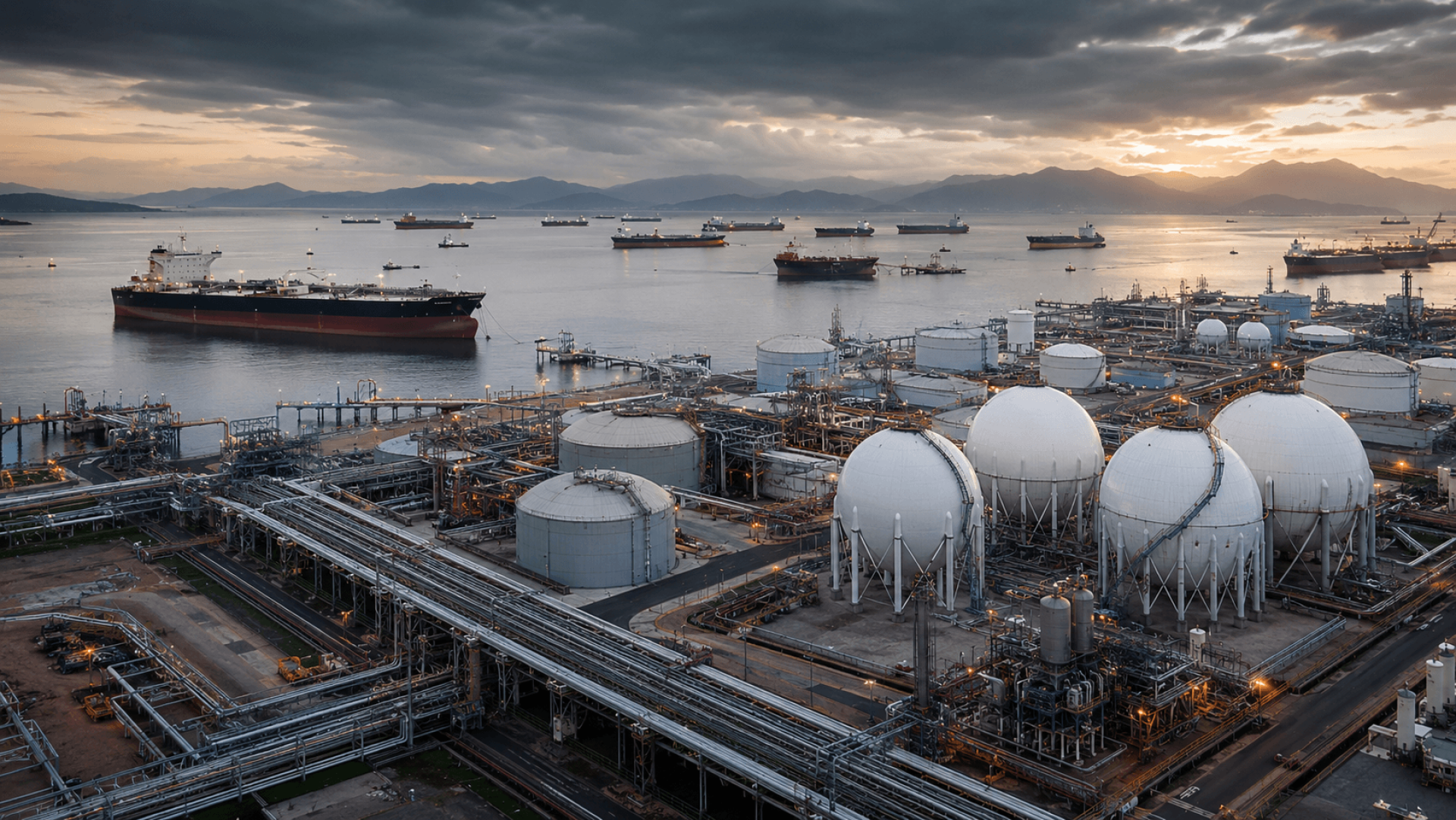
The impact extended beyond energy markets. Petrochemical producers and buyers began monitoring potential shortages in key materials such as naphtha, propane, butane, methanol, and other feedstocks. The crisis highlighted how geopolitical instability can quickly influence pricing, logistics, and the availability of essential industrial products worldwide.