South Korea Begins Major Petrochemical Industry Restructuring

South Korea has initiated a major petrochemical restructuring program as producers face oversupply, weak demand, and rising competition. The move highlights growing pressure across Asia's petrochemical sector and signals broader industry transformation.

Why South Korea's Petrochemical Industry Reached a Turning Point

For decades, South Korea was one of Asia's leading petrochemical producers, supplying polyethylene, polypropylene, aromatics, and other chemical products to markets across the region. The industry's growth was largely supported by strong export demand, particularly from China, which relied heavily on imported petrochemical products to support its manufacturing sector.

However, market conditions have changed significantly in recent years. China has rapidly expanded its own petrochemical production capacity, reducing import requirements and increasing competition in both domestic and international markets. At the same time, global petrochemical demand has grown more slowly than expected, creating persistent oversupply across several product categories.

As margins weakened and operating rates declined, South Korean producers faced increasing pressure to improve efficiency and reduce costs. These challenges ultimately led both industry leaders and government authorities to conclude that restructuring was necessary to restore competitiveness and ensure the sector's long-term sustainability.
Oversupply Forces Industry-Wide Action

Oversupply Forces Industry-Wide Action

The primary driver behind South Korea's restructuring effort is a prolonged imbalance between supply and demand. Petrochemical capacity across Asia has expanded faster than market growth, leading to weaker margins, lower operating rates, and increasing pressure on producers throughout the region.

China's rapid expansion has further intensified competition by reducing import demand and increasing domestic supply. As a result, South Korean companies are focusing on reducing excess capacity, improving efficiency, and strengthening profitability. Industry observers view these measures as the beginning of a broader transformation that could reshape the sector over the coming years.

Major Capacity Reductions Signal a New Direction

Major Capacity Reductions Signal a New Direction

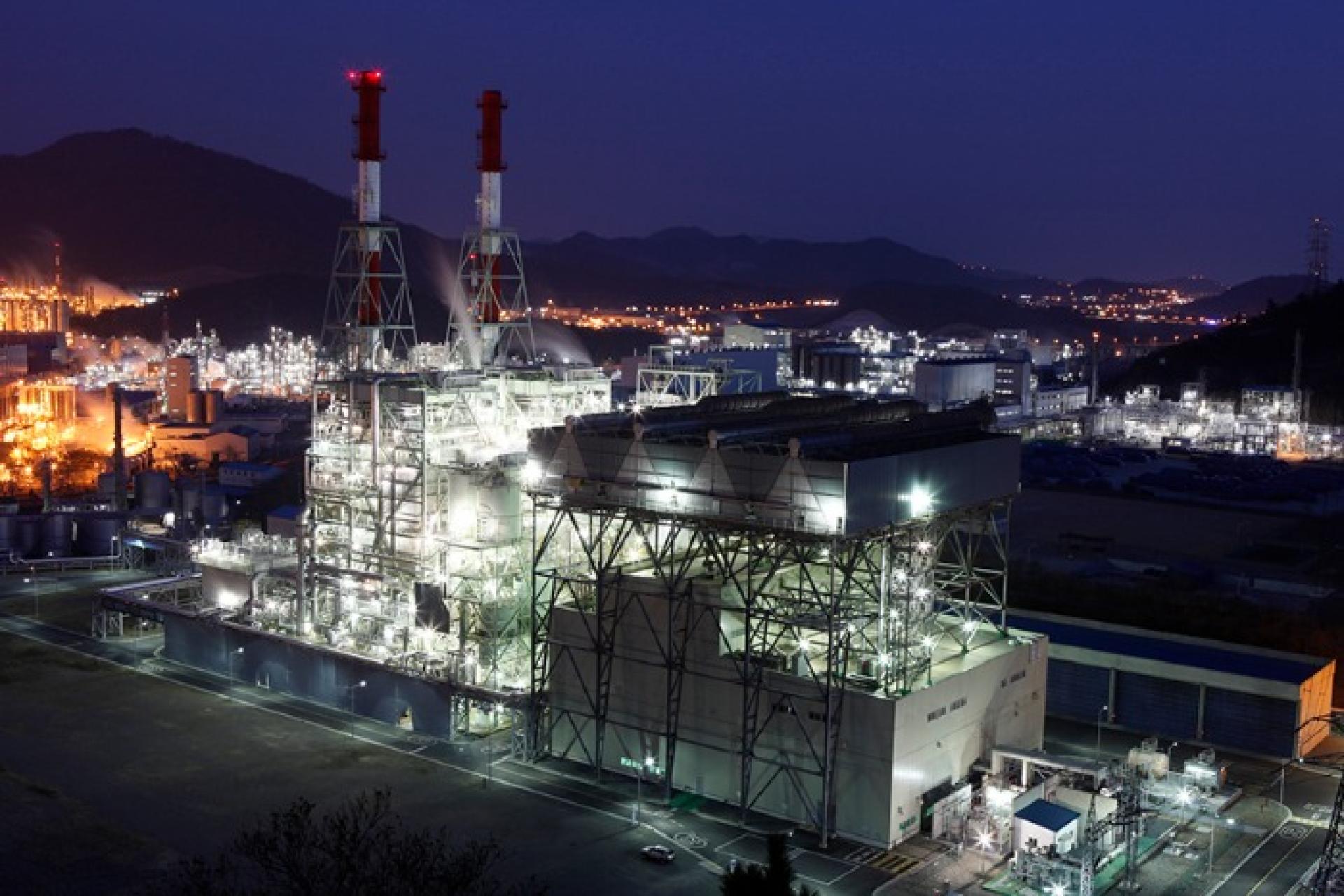
One of the most significant developments in the restructuring process is the planned shutdown of Lotte Chemical's 1.1 million-tonne-per-year naphtha cracker in Daesan. The facility is among South Korea's major petrochemical assets, making the decision a clear indication of the industry's determination to address excess capacity.

The restructuring effort also includes closer cooperation between major refining and petrochemical companies operating within key industrial clusters. By consolidating operations and reducing inefficiencies, producers aim to improve utilization rates and restore competitiveness in an increasingly challenging market environment.

China's Expansion Reshapes the Competitive Landscape

China's rapid petrochemical expansion remains one of the biggest challenges facing South Korean producers. Over the past decade, substantial investments in new production capacity have allowed Chinese manufacturers to reduce reliance on imports while increasing their presence in regional and global markets.

This shift has had a direct impact on South Korea's export-oriented petrochemical industry. Products such as polyethylene, polypropylene, and other chemical derivatives now face stronger competition, putting pressure on prices and profitability. As China's influence continues to grow, producers across Asia are being forced to adapt their strategies, improve efficiency, and focus on long-term competitiveness rather than volume growth alone.

What This Means for Global Petrochemical Markets

What This Means for Global Petrochemical Markets

South Korea's restructuring extends beyond national borders and reflects broader changes taking place across the global petrochemical industry. As producers reduce excess capacity and focus on profitability, regional supply balances may gradually improve, helping to stabilize market conditions over time.

The developments also highlight a growing shift in global production toward regions with lower costs and stronger feedstock advantages. For buyers and traders, understanding these changes will be increasingly important when evaluating sourcing strategies, supply security, and long-term market opportunities.

Industry Outlook

While the restructuring process is still in its early stages, it signals a significant shift in the direction of South Korea's petrochemical sector. Companies are moving away from expansion-focused strategies and placing greater emphasis on efficiency, competitiveness, and sustainable profitability.

Industry analysts expect further consolidation and capacity rationalization if market conditions remain challenging. As the global petrochemical landscape continues to evolve, South Korea's response may serve as a model for how producers adapt to changing demand patterns, increasing competition, and long-term industry transformation.