The Essential Role of Petrochemicals in Modern Agriculture

An overview of how the petrochemical industry supports modern agriculture by enabling fertilizer production, crop protection, irrigation infrastructure, food packaging, transportation, and more efficient farming systems.

The Essential Role of Petrochemicals in Modern Agriculture

Modern agriculture relies on far more than fertile soil and favorable weather. As the global population continues to grow, farmers face increasing pressure to produce more food using limited land and resources. To meet this challenge, the agricultural sector depends on a wide range of products and technologies supplied by the petrochemical industry.

Petrochemicals support nearly every stage of modern farming. They are used in the production of fertilizers, crop protection products, irrigation systems, greenhouse materials, packaging solutions, and transportation fuels. These products help farmers improve productivity, reduce crop losses, and deliver food efficiently from farms to consumers.

While petrochemicals are often associated with industrial manufacturing, their contribution to agriculture plays a vital role in supporting global food security and helping farming operations become more efficient.
Fertilizers: The Foundation of Modern Crop Production

Fertilizers: The Foundation of Modern Crop Production

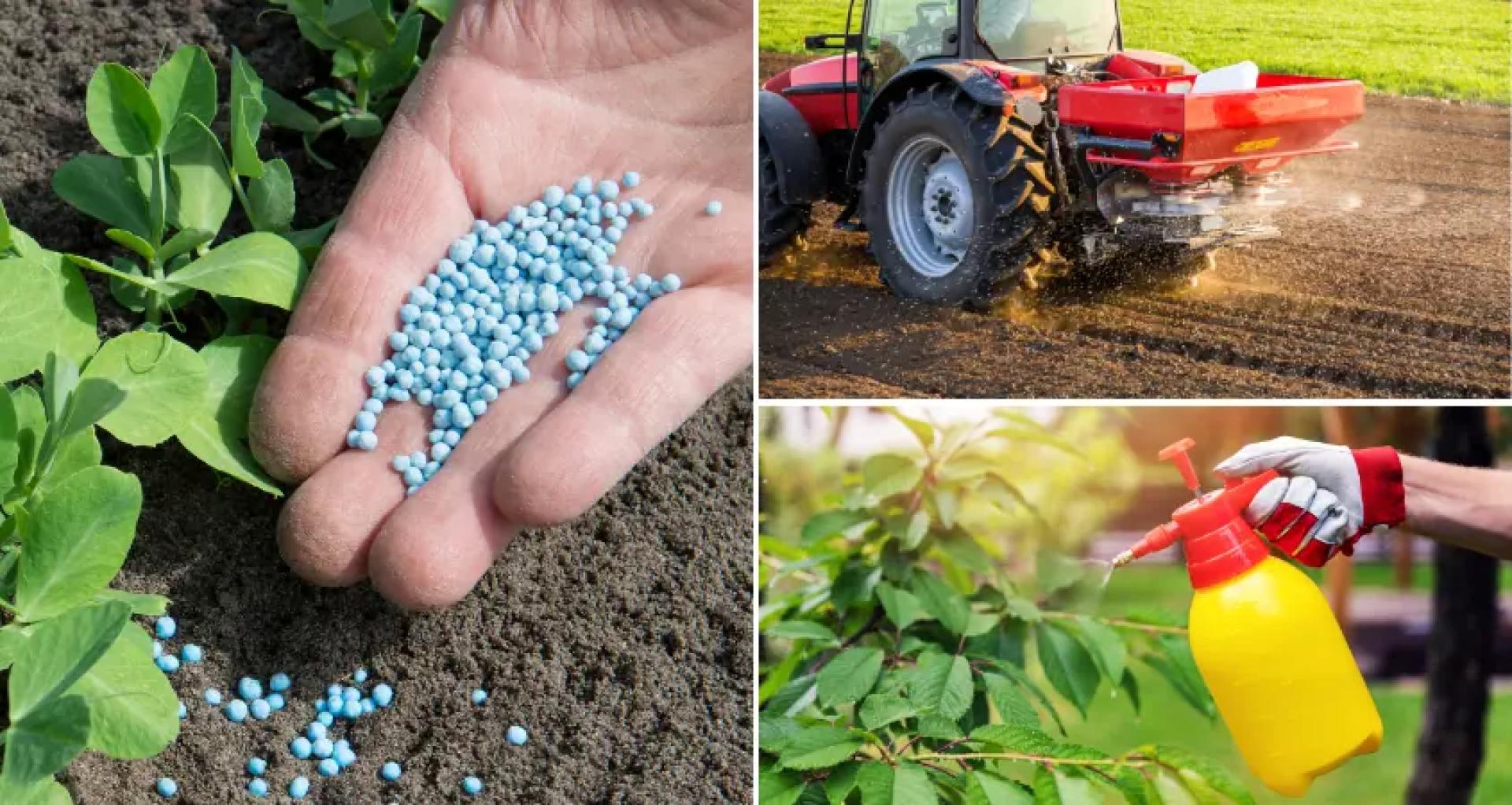
One of the most important contributions of the petrochemical industry to agriculture is fertilizer production. Products such as ammonia and urea provide essential nutrients that help crops grow efficiently and achieve higher yields. Without modern fertilizers, agricultural productivity would be significantly lower in many regions of the world.

Sulfur also plays an important role in plant nutrition and is widely used in fertilizer formulations. Together, these products help improve soil quality, support healthy plant development, and increase food production.

As global food demand continues to rise, fertilizers remain essential for helping farmers maximize output while making efficient use of available farmland. Their importance has made petrochemical-derived fertilizer products a critical component of modern agricultural systems.

Protecting Crops and Improving Agricultural Efficiency

Protecting Crops and Improving Agricultural Efficiency

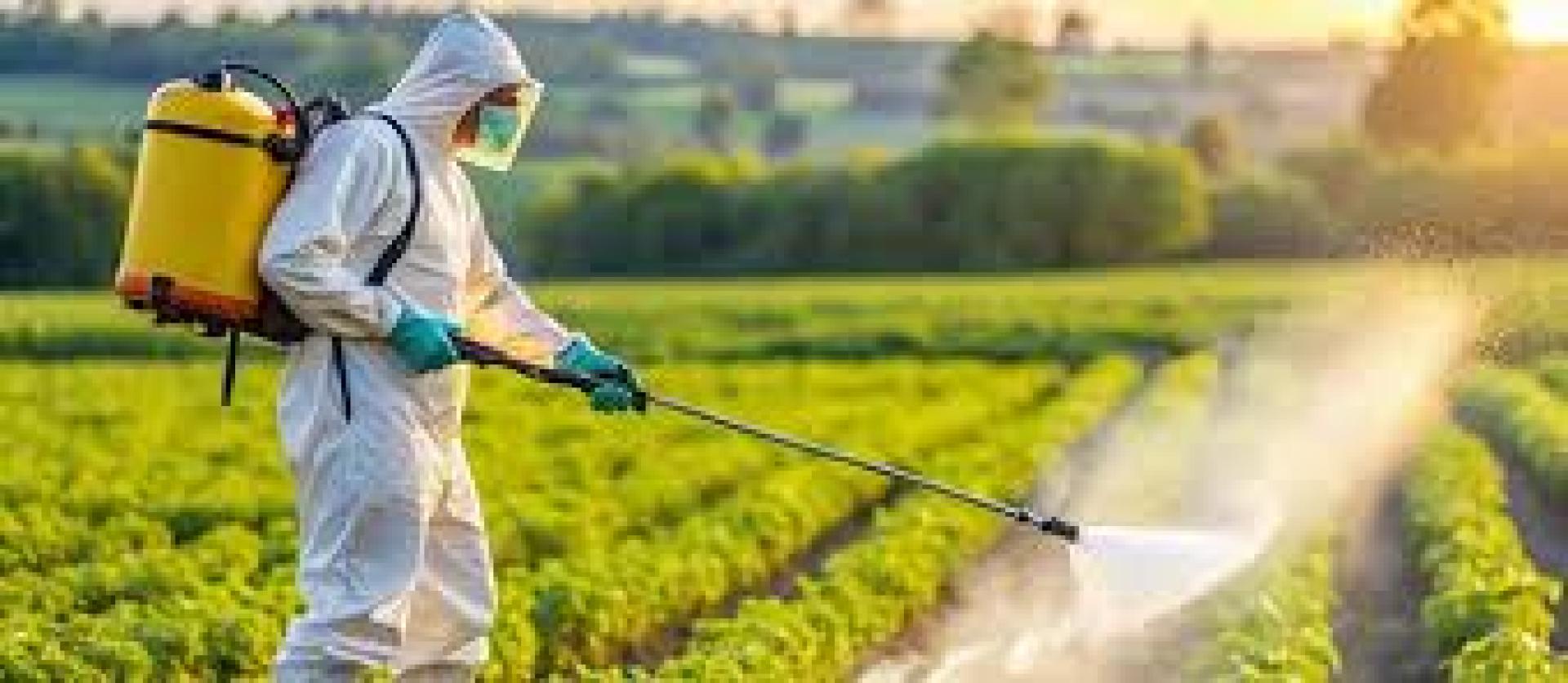
Modern farming faces numerous challenges, including pests, diseases, and weeds that can significantly reduce crop yields. The petrochemical industry supports agriculture through the production of various crop protection products that help farmers manage these risks and protect harvests.

These solutions contribute to healthier crops, improved product quality, and more predictable agricultural output. By reducing losses caused by environmental and biological threats, farmers can make better use of their resources and improve overall productivity.

In addition to crop protection, petrochemical products contribute to farming efficiency through specialized materials and technologies that support modern agricultural practices. As a result, farmers are better equipped to meet growing food demand while maintaining reliable production levels.

Building Modern Agricultural Infrastructure

Building Modern Agricultural Infrastructure

Beyond fertilizers and crop protection products, petrochemicals play a key role in the infrastructure that supports modern farming. Materials such as polyethylene (PE) and polyvinyl chloride (PVC) are widely used in irrigation systems, water distribution networks, greenhouse coverings, and agricultural storage solutions.

Modern irrigation systems help farmers deliver water more efficiently, reducing waste and improving crop performance in both arid and high-demand agricultural regions. Greenhouse films and protective coverings also allow growers to better control environmental conditions, extending growing seasons and improving productivity.

These applications demonstrate how petrochemical products help create the physical infrastructure required for efficient and sustainable agricultural operations.