The Role of Strategic Straits in Global Commodity Trade

Strategic straits are critical routes for global commodity trade, supporting the movement of energy, petrochemicals, fertilizers, agricultural goods, and industrial materials while influencing supply chains and market stability.

The Hidden Infrastructure Behind Global Trade

Global commodity trade depends on a network of strategic maritime routes that connect producers, manufacturers, and consumers across continents. Among these routes, narrow passages known as straits play a critical role by allowing massive volumes of energy products, raw materials, and industrial goods to move efficiently between global markets.

Every day, vessels carrying crude oil, LNG, LPG, petrochemical feedstocks, fertilizers, agricultural products, metals, and manufactured goods pass through these strategic chokepoints. Routes such as the Strait of Hormuz, Strait of Malacca, Bab el-Mandeb, and Turkish Straits have become essential links in international supply chains.

Because such large trade volumes are concentrated in limited passages, disruptions caused by geopolitical conflicts, security issues, or operational restrictions can quickly affect shipping schedules, freight costs, commodity prices, and global supply availability.
Strait of Hormuz: The Energy and Petrochemical Gateway

Strait of Hormuz: The Energy and Petrochemical Gateway

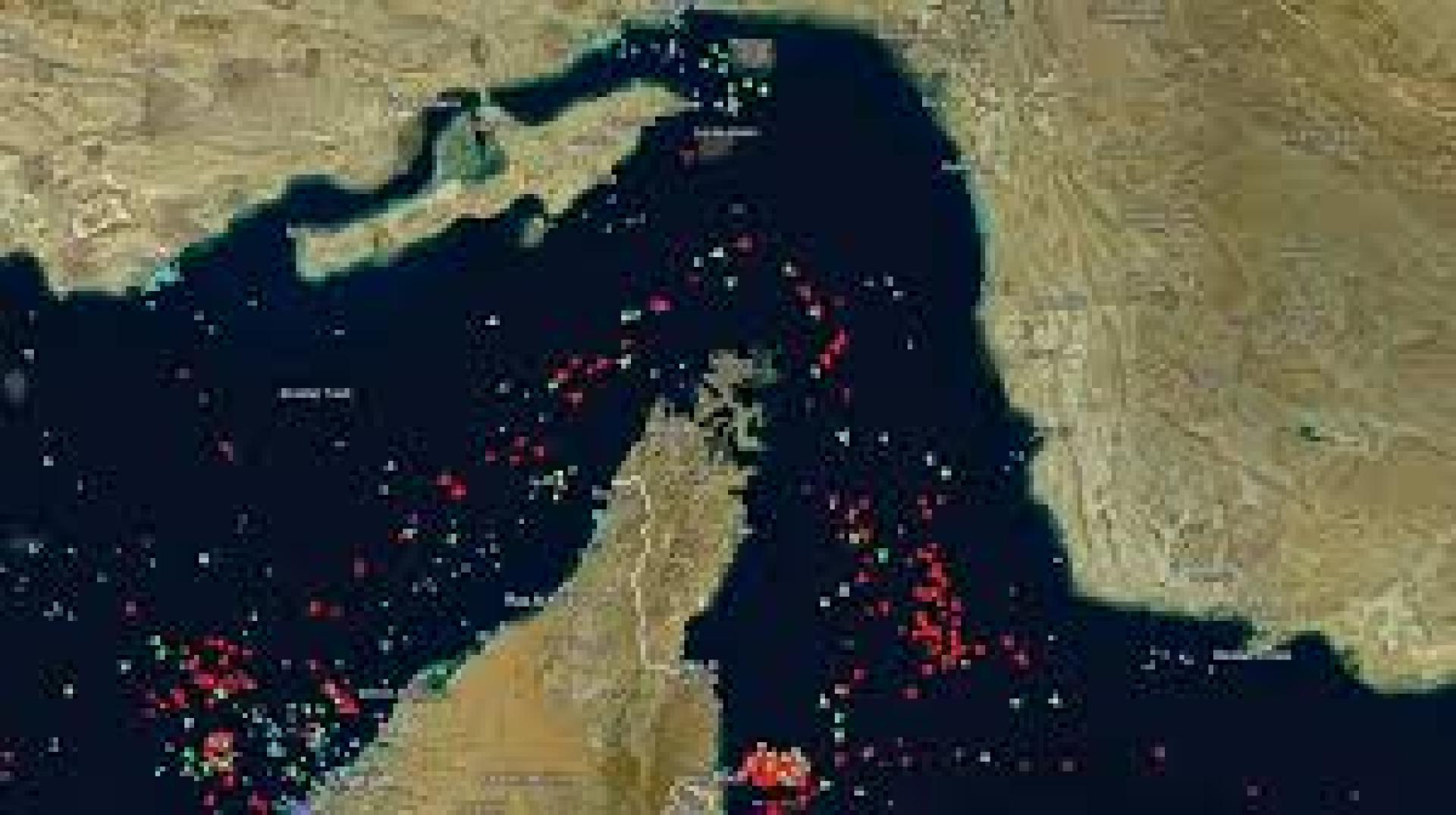
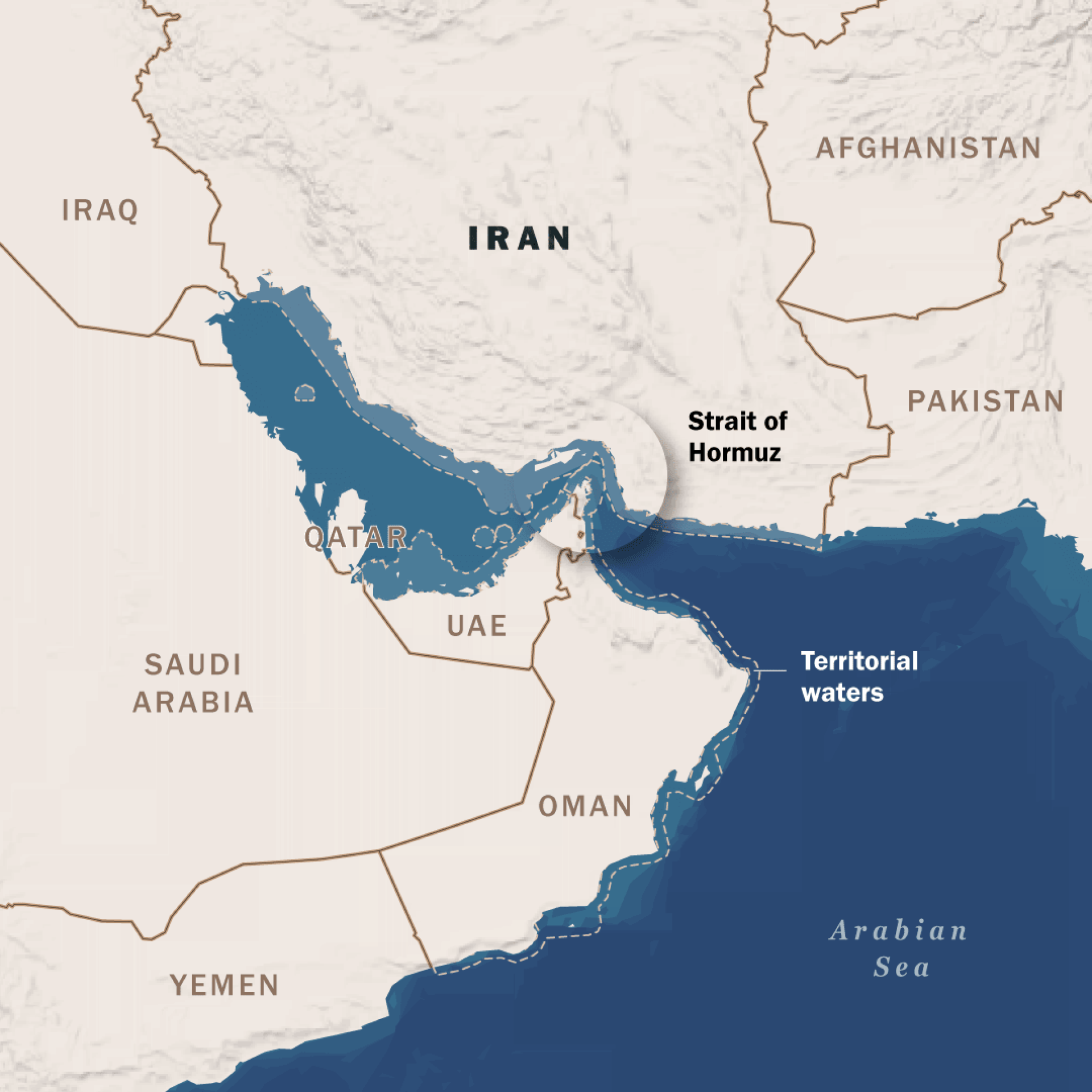
Located between the Persian Gulf and the Gulf of Oman, the Strait of Hormuz is the world's most important energy chokepoint. Around one-fifth of global petroleum liquids consumption passes through this route, connecting major Gulf producers with markets across Asia, Europe, and other regions.

The strait is essential not only for crude oil but also for LNG, LPG, condensate, and petrochemical feedstocks. Products such as propane, butane, naphtha, methanol, sulfur, and fertilizer-related materials depend on secure maritime access through the region. Any disruption in Hormuz can affect global supply chains, increase transportation costs, and influence energy and petrochemical markets worldwide.

Strait of Malacca: Connecting Energy Producers With Asia’s Industrial Centers

Strait of Malacca: Connecting Energy Producers With Asia’s Industrial Centers

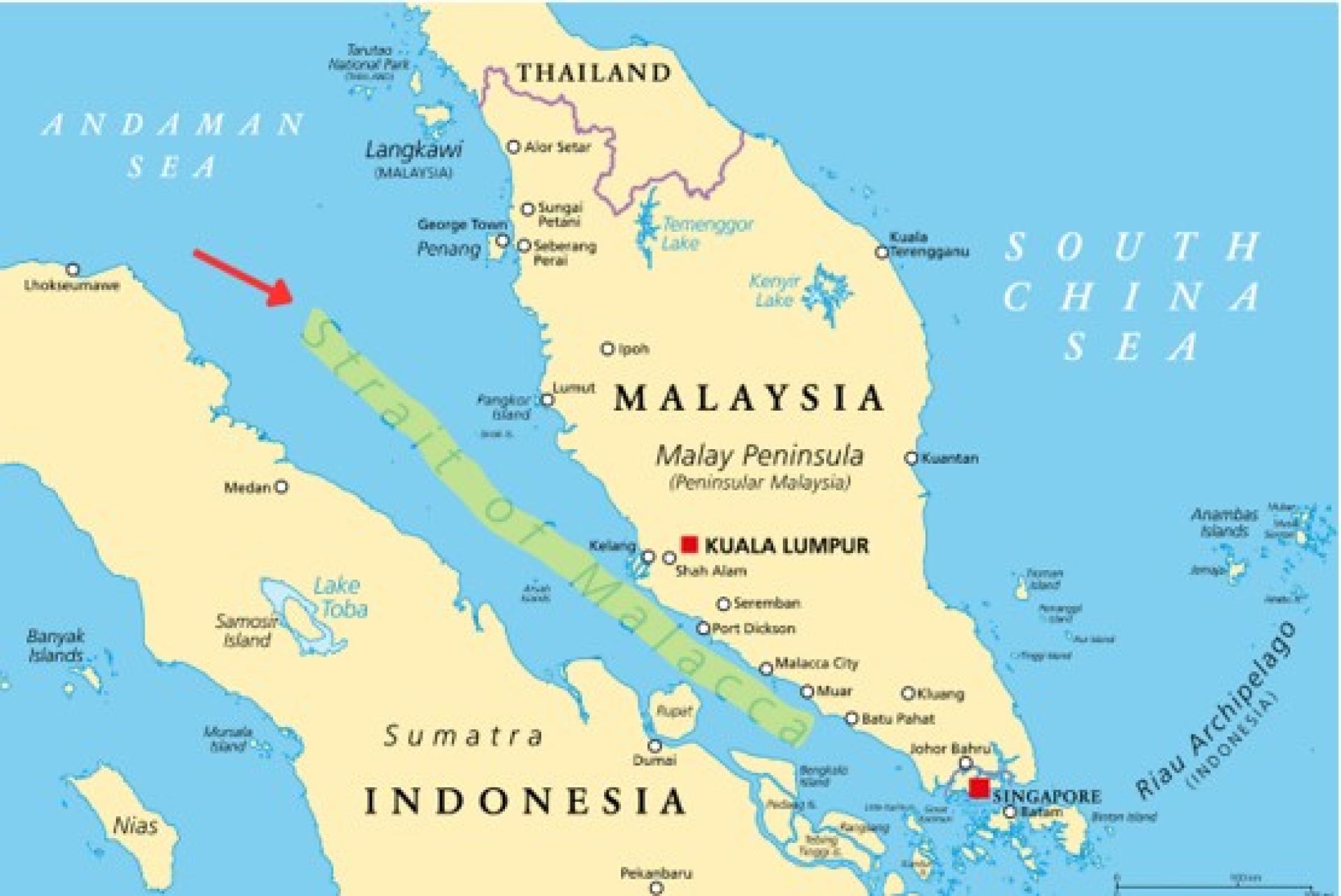
The Strait of Malacca is one of the world's busiest maritime routes, connecting the Indian Ocean with the South China Sea. It serves as a critical connection between Middle Eastern energy exporters and major Asian economies, including China, Japan, and South Korea.

The route supports the movement of crude oil, LNG, raw materials, industrial products, and containerized goods that supply Asia's manufacturing centers. Because many Asian industries depend on imported energy and feedstocks, the Strait of Malacca remains essential for maintaining stable production, logistics, and global trade flows.

Global Chokepoints Beyond Hormuz and Malacca

Beyond Hormuz and Malacca, several other strategic routes play important roles in commodity movement. The Bab el-Mandeb Strait connects the Indian Ocean with the Red Sea and supports Europe–Asia trade through the Suez route, carrying energy products, chemicals, and container cargo.

The Turkish Straits are vital for Black Sea exports, including grain, fertilizers, oil products, and industrial materials, while the Panama Canal connects Atlantic and Pacific markets for LNG, agricultural commodities, and global shipping. Together, these chokepoints form a network that keeps international commodity trade connected.

How Strait Disruptions Affect Commodity Markets

How Strait Disruptions Affect Commodity Markets

When a major maritime chokepoint faces disruption, the impact extends far beyond shipping delays. Restrictions, conflicts, congestion, or security risks can force vessels to change routes, increasing transportation times, fuel consumption, freight rates, and insurance costs.

These changes quickly influence global commodity markets because many industries rely on continuous supply flows. Energy products, petrochemical feedstocks, fertilizers, metals, and agricultural commodities can experience price volatility when buyers face uncertainty about delivery schedules or product availability.

For global businesses, secure maritime routes are therefore a key part of supply-chain planning, risk management, and long-term procurement strategies.

Why Maritime Security Matters for Petrochemical Trade

Petrochemical trade depends on a complex international network connecting producers, logistics providers, and industrial buyers. Products such as LPG, naphtha, condensate, base oils, methanol, polymers, chemicals, and fertilizers often travel thousands of kilometers before reaching their final markets.

Strategic straits make this global movement possible by linking production hubs with demand centers. However, recent disruptions have shown that successful commodity trading requires more than product availability. Reliable sourcing, flexible logistics, route planning, and market awareness are essential for maintaining stable supply chains.

As global trade continues to evolve, maritime security will remain a critical factor shaping the future of energy and petrochemical markets.